


Trade Show Trends Every Brand Manager Should Be Watching
Trade and consumer shows remain one of the best settings for brands to showcase products, build trust, and engage customers directly. They also create high-value, face-to-face connections with 72% of attendees saying they’re more likely to buy from exhibitors they meet in-person making it essential to design stand experiences that are memorable, purposeful, and commercially effective.
With competition increasing across Europe, audiences are becoming far more selective about how they spend their time on the show floor. As a result, stand design now needs to deliver clarity, immersion and commercial impact in equal measure.
Through its work at major European consumer-tech and B2C events, Provision Events supports marketing teams via PVE Live, a system designed to help brands create, realise and measure high performing exhibition stands.
Below are the trends shaping exhibition strategy for late 2026 and 2027, along with examples of how these approaches are being delivered in-market.

1. Immersive demonstrations that feel genuinely hands on
Visitors expect to understand products quickly and intuitively. The strongest exhibition stands now centre around structured demo moments that allow visitors to learn by doing rather than watching.
Effective immersive formats include tactile product trials, guided demo stages, integrated lighting and audio, and hybrid digital-physical storytelling. This approach is especially valuable at consumer-tech events where features can be complex and require clear interpretation.
Brands adopting immersive demo design are seeing longer dwell times and stronger lead qualification.
2. Digital layering that feels seamless rather than decorative
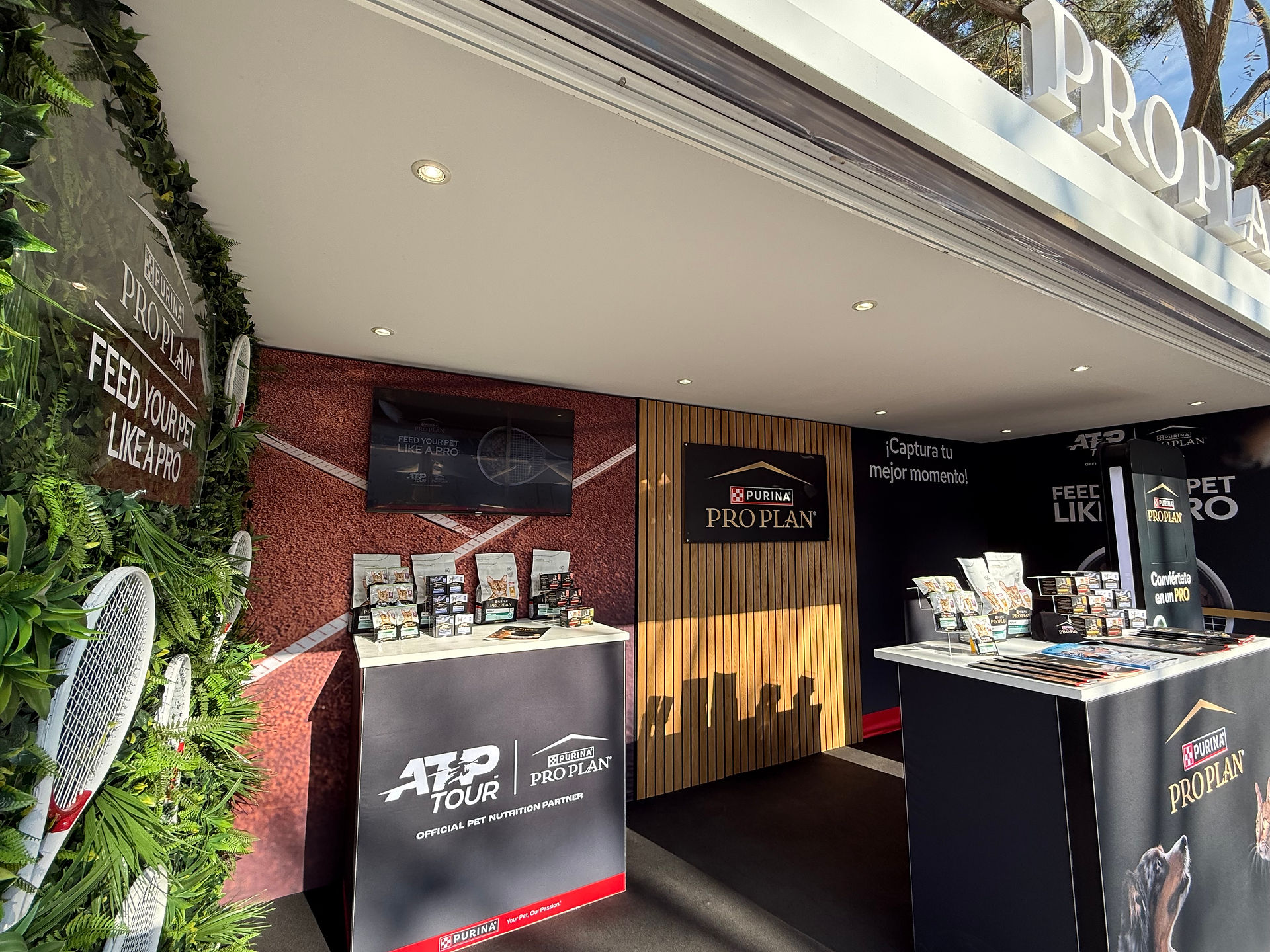
Digital elements are most effective when they enhance the stand journey without overwhelming it. A good example is the Purina Pro Plan activation delivered by the PVE Live team, which used different digital layers across multiple European locations.
Two stands featured a Sign the Lens challenge, encouraging visitors to personalise their experience through a simple digital prompt. A third stand integrated an AI photobooth experience, giving visitors a personalised takeaway and creating a natural link to data capture.
These digital layers work because they support the purpose of the stand rather than distract from it. They also help measure interest in different features or product stories across markets, which is increasingly valuable for brand managers planning multi-event seasons.

Sign The Lens Activation for Purina Pro Plan


3. Premium finishes that elevate brand perception
As exhibition environments become more competitive, audiences respond strongly to quality.
Premium walling, high-resolution printing and refined textures are no longer reserved for flagship builds. They have become essential tools for brands looking to position themselves above competitors on a busy show floor.
Strong premium design elements include:
Architectural walling with integrated lighting
Large scale fabric prints that deliver clean, crease-free impact
Low-gloss, tactile finishes that feel closer to retail design
Hidden storage and concealed cable management for a clean aesthetic
These design choices instantly raise perceived value and help brands communicate professionalism before a single interaction takes place.
4. Hospitality touchpoints that encourage dwell and conversation
Hospitality is shifting from a nice-to-have to a strategic component of exhibition design. Visitors are more willing to engage in meaningful conversations when they feel comfortable within the stand architecture.
Emerging approaches include:
Built-in seating zones for informal conversations
Compact barista or refreshment points positioned to draw natural footfall
Semi-private meeting pods that balance openness with focus
Sampling areas for retail, beauty and F&B brands
These touchpoints are most effective when they support circulation rather than create congestion.
5. Modular builds enabling multi-event efficiency
Modular stand design is becoming increasingly important as brands attend more events across Europe. Flexibility, speed and repeatability often determine whether a brand can scale its presence effectively.
PVE Live regularly uses modular formats that can adapt to different hall sizes and audience profiles. One standout solution is AirClad, which can be deployed indoors or outdoors and is available in a range of sizes and finishes to match both aesthetic and operational requirements. It delivers a premium feel while allowing for rapid installation and efficient touring.


Modular does not mean compromise. With the right design system, brands can deliver a premium experience repeatedly across an entire events calendar.
6. Smarter data journeys feeding directly into the Measure phase of PVE Live
Effective measurement is no longer optional.
It determines whether an exhibition stand generates long-term value or becomes a missed opportunity. Industry reporting suggests that 70% of trade show leads are never followed up by sales teams, which is why PVE Live’s Measure framework focuses on collecting structured data, guiding post-event nurturing and turning interactions into quantifiable outcomes.
The most effective stands now integrate structured measurement into the experience itself. PVE Live’s Create, Realise, Measure framework ensures:
Data capture is woven into natural interactions
Visitor choices link directly to post-event communication
Reporting dashboards show which content and demos performed best
Teams leave each show with actionable insight, not just raw data
This measurement approach helps brand managers justify investment, refine future stand design and align sales and marketing teams with real audience behaviour.
Let’s chat
If you’d like support developing a high-performing exhibition stand for your next trade or consumer show, the PVE Live team would be happy to help. Get in touch to discuss your plans and explore how we can bring your brand to life on the show floor.


Comments